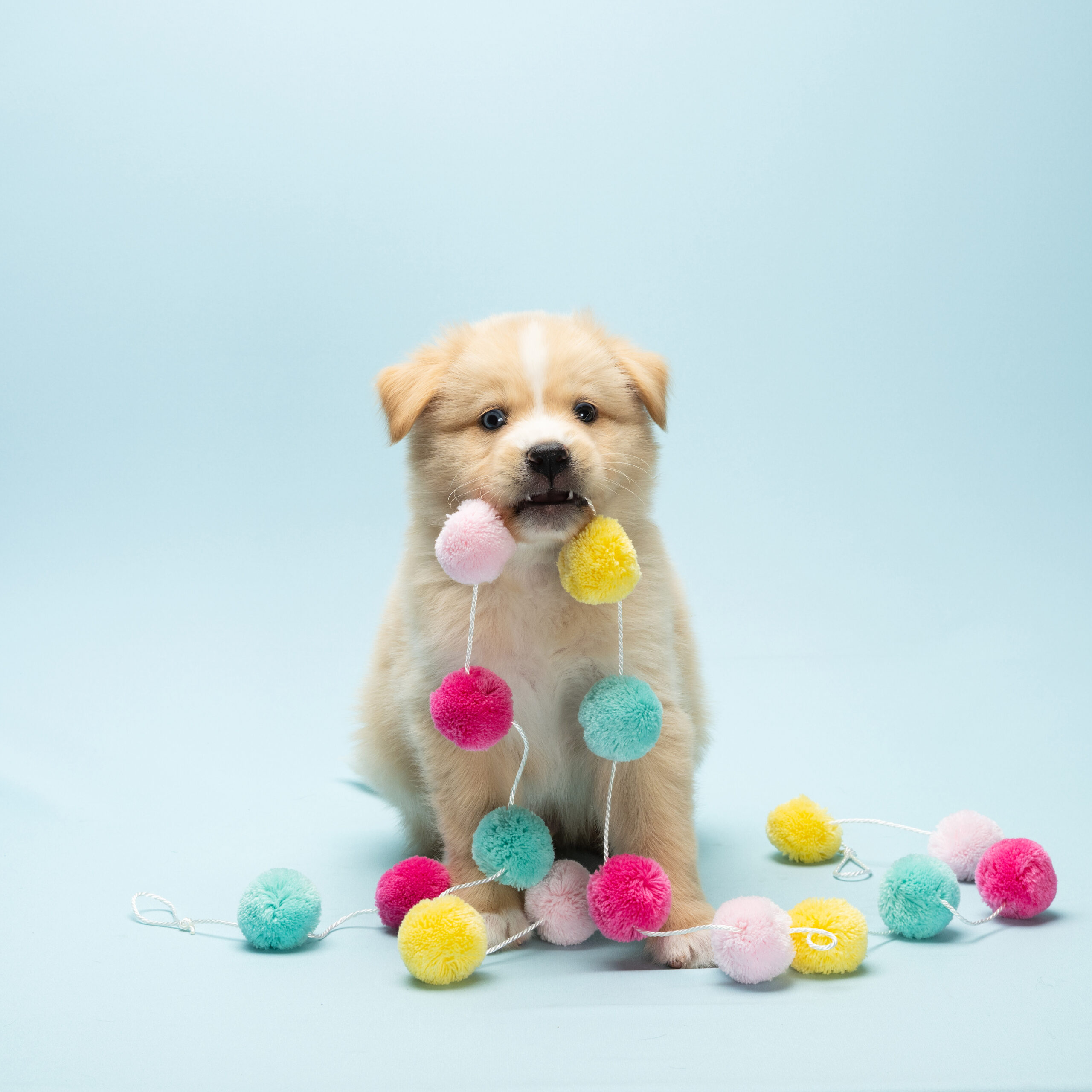
Bringing a puppy into a home with young children requires adults to train both the puppy as well as the children on proper interactions. With patience and supervision, you can build a rewarding relationship for both!
The Core Principles of Raising Puppies with Children
Always Supervise Your Child with the Puppy
It is crucial to supervise the interactions between your child and your puppy. The only way to ensure that both the pup and the child are interacting safely is to be present. The younger the child (and the less they know about puppies!), the more the adult needs to teach to them.
Your Child is Not a Toy
Puppies are still learning what they can and cannot chew, nibble, and bite on. Children should use toys when playing with the puppy and not their hands. If the puppy chases and nips at your child’s heels, the puppy should be redirected to an appropriate toy—even better if your child can show them a ball and throw it so the dog learns to chase the ball!
Your Puppy is Not a Toy
Children should not be allowed to pull at your pup’s ears, tails, legs, etc. Ideally, your dog would allow mishandling to some degree, but there is always a threshold for being annoyed. It is easier as adults to read the pup’s body language to know what we can and cannot do. It’s our job as the adults to desensitize our pup in a safe way.
Give Everyone Their Own Space
The puppy needs to have a safe place where it can escape its human sibling’s pestering, high energy, or loud sounds. Some puppies thrive in chaos, others need more quiet or can get overwhelmed. Puppies also need lots of sleep and aren’t meant to be handled 24/7!
An overexcited puppy may simply not have enough impulse control to be around a small child in that moment. For example, if they are very mouthy, won’t stop jumping, or are constantly barking/whining, it is time for a breather for everyone.
How to Introduce Your Puppy and Child to Each Other
Get the Children Involved in Training from the Beginning
When children are directly involved in the training of a puppy, they learn more about reading their dog’s body language, gain a greater appreciation for dog companionship, and become more responsible in how they interact with dogs in general.
If age-appropriate, your child can help teach commands like sit, down, and come. They can reward the pup with a treat or praise. This helps the pup understand to listen to both you as well as the littles!
Within the training, you can also teach your children about dog body language and what to do.
Reward and Encourage Calmer Interactions Between Puppy and Child
Puppies are often playful and more energetic than older dogs, which is the same with young children! They can easily overwhelm each other by ramping up the intensity of play. We want to encourage both the pup and the child to be calmer to minimize the puppy jumping, chasing, or nipping.
Puppies are still learning manners, and small children are the closest thing to the littermates they used to play with.
Puppies are Mouthy, so Teach Gentleness
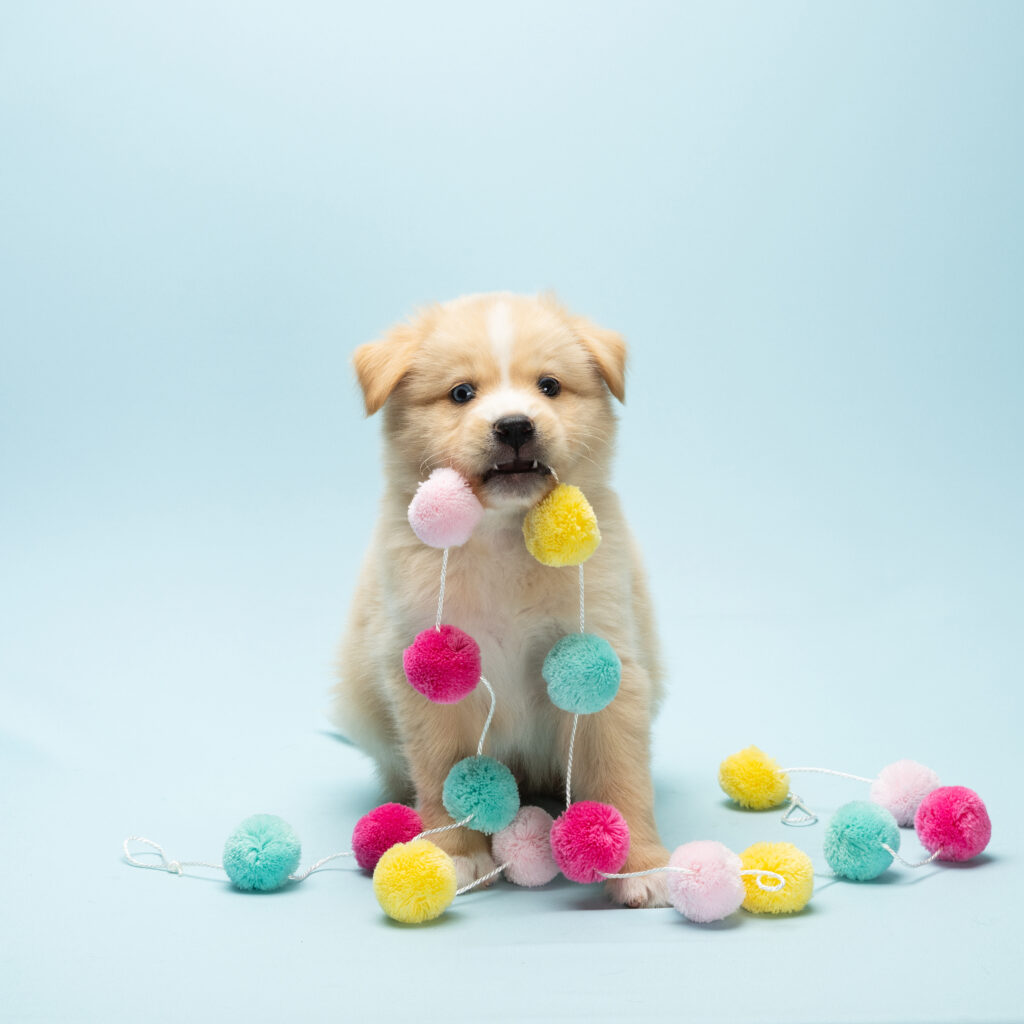
Puppies are born without vision or hearing, so using their mouths to explore their world is one of their early senses. Then, young puppies go through two teething phases: first, when their teeth first come in (around three weeks of age), and second, when their adult teeth start coming in (around 12 weeks of age).
Mouthiness is part of puppyhood, and it’s crucial to manage the intensity of their mouthiness by encouraging them to be gentle when they feel human skin. If a puppy bites too hard, everyone must say “ow!” in a high-pitched voice and disengage with the puppy. You can try to redirect them onto an appropriate toy.
Puppies need to have appropriate outlets to chew and gnaw, which helps to soothe the pain of their teeth coming in. We recommend frozen carrots, frozen treats, and chew sticks with supervision.

A Few Rules for Managing Puppies and Children Together
Do Not Bother Dogs When Eating or Sleeping
When dogs are eating, they are focused on their food and may not have the attention span to not bite little hands in their bowl. It can also create resource guarding, or if the puppy has any resource guarding already, it can make it worse.
When a puppy is sleeping, it may be disorientated if disturbed suddenly, which can lead to unpredictable behavior.
Do Not Allow the Dog to Jump on Anyone
Everyone in the household should avoid rewarding the puppy jumping for attention, whether that’s on a pen gate, on a person, or on the edge of a seat. The puppy should be ignored until it sits (calmly, if they can!) before receiving attention.
Children can turn their back towards the puppy to disengage with the jumping as well. We can also teach children to seek higher ground, such as the couch or a bed.
Do Not Leave Children’s Toys in Puppy’s Space
If your child will get upset about a chewed-up toy, make sure that you and/or your child understand that toys need to be put away when the puppy is out to play!
The puppy should have plenty of its own toys, so you can work on teaching the puppy what is and isn’t theirs to chew on.

Puppies are Babies–They Will Make Mistakes
Puppies will likely chase, jump on, destroy a child’s toy, and/or nibble too hard at some point. The more you supervise the interactions, the better you’ll be able to prevent these from happening—or at the very least, from escalating!—as well as using them as teaching moments for both the puppy and the child.
If your child is becoming fearful, you’ll need to do your best to explain to them that the puppy is just a baby, and we, as the humans, have to teach them what they can and cannot do. The puppy does not mean any harm and is still learning.